
Commercial · Battery Storage + Solar
Monorib Offices Battery Backup
An office that never loses a minute to load-shedding.
- Location
- Kampala
- Scale
- 50 kW / 100 kWh
- Commissioned
- 2024
- Backup power
- 50 kWBackup power
- Usable storage
- 100 kWhUsable storage
- Perceived downtime
- 0 msPerceived downtime
- No diesel generator
- SilentNo diesel generator
Figures are representative of work delivered in this sector and are rounded. Full project documentation available on request.
01 — Problem statement
The problem we were asked to solve
A 50 kW battery backup system with solar integration for Monorib’s head offices in Kampala, keeping servers, workstations and connectivity running seamlessly through every outage — silently, and without a diesel generator.
Monorib runs a modern office operation in Kampala, and like every such business it depends utterly on power that the grid could not reliably provide. Outages were frequent and unpredictable, and each one landed as an immediate operational hit: servers went down and risked data corruption, workstations lost unsaved work, the network and phones dropped mid-task, and staff sat idle until power returned. The company had done what most do — installed a diesel generator as backup — but a generator is a stopgap with real limitations. The start-up delay, though only a matter of seconds, was more than long enough to crash servers and drop live connections, so every outage still caused a jarring interruption even with the generator present. Beyond that, the generator was noisy enough to disrupt the office environment, needed fuel constantly bought and stored, and carried an ongoing maintenance burden. It also did nothing for the everyday electricity bill; it was pure cost, sitting idle until the next failure. What Monorib needed was not a better generator but a fundamentally different approach: power backup that was instantaneous rather than delayed, silent rather than disruptive, clean rather than diesel-dependent, and ideally something that earned its keep during normal operation instead of only during failures.
02 — Our solution
What we engineered
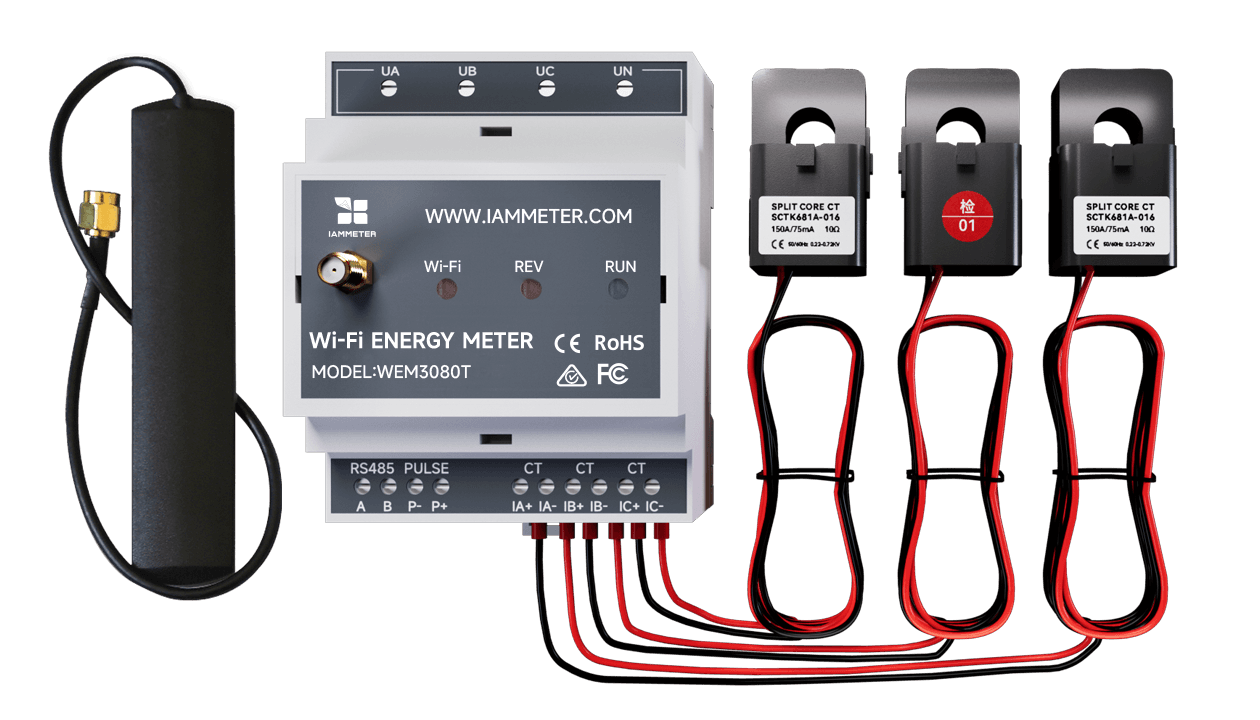
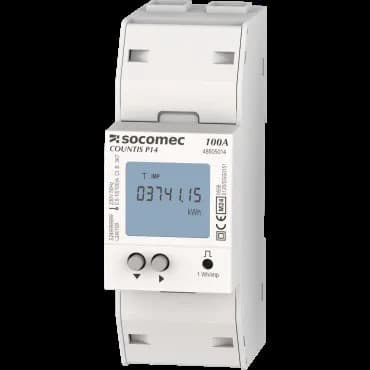
We began with an audit of exactly what needed protecting and for how long, because a backup system sized on guesswork is either dangerously short or wastefully expensive. Our engineers metered the office’s load, separated the genuinely critical circuits — servers, networking, security and key workstations — from the loads that could tolerate a brief interruption, and established the runtime the business actually needed to ride through a typical outage and to bridge safely to a controlled shutdown in a prolonged one. From that we designed a 50 kW / 100 kWh lithium battery system built around an online, uninterruptible changeover: the protected circuits are effectively always fed through the system, so when the grid fails there is no start-up delay and no perceptible interruption — the transition happens within a fraction of a cycle, far faster than a server or a phone call can notice. We integrated a solar array so the system was not merely insurance but a daily asset, trimming the office’s electricity bill by offsetting daytime consumption and helping keep the battery charged. The diesel generator was retained but demoted to deep standby for extended outages, its noisy, delayed, fuel-hungry role in daily operations eliminated. We also configured the system to shut the protected loads down gracefully, rather than abruptly, in the rare event of a prolonged outage that would exhaust the battery before the generator could be started.
On site

03 — Implementation
How we delivered it
Because this was a working office that could not afford disruption, we planned the installation to keep the business running throughout and to carry out the most sensitive work outside operating hours. We began by installing the battery system and inverters in a suitable plant space, running the new protected distribution alongside the existing wiring so the two could be tested independently before any cutover. The critical circuits were carefully re-routed through the backup system, and we staged the changeover to the protected supply during an evening window so that no working day was interrupted and no server had to be brought down unexpectedly. The solar array was installed and integrated with the battery and grid, with the control logic configured to prioritise solar for daytime load, keep the battery topped up, and hold reserve capacity for backup. The most important phase was validation: we deliberately simulated grid-failure events under controlled conditions, confirming that the protected circuits saw no interruption, that servers and network equipment stayed up cleanly, and that the system recovered and recharged correctly when grid power returned. Only once the seamless changeover had been proven repeatedly did we consider the system commissioned, and we walked Monorib’s IT staff through its monitoring and daily status so they could see the system’s state at a glance.
Engineering detail
- Seamless sub-cycle changeover — no perceptible interruption
- Critical circuits (servers, network, workstations) prioritised
- 100 kWh lithium storage sized to office runtime needs
- Solar integration offsets daytime consumption
- Silent operation — generator retired to deep standby
04 — Results
What it delivers now
The difference for Monorib has been immediate and, in the best sense, invisible. Grid outages that used to halt the office now pass without anyone noticing: the changeover to battery is instantaneous, servers stay up, unsaved work survives, the network and phones stay connected, and staff simply keep working. The perceived downtime during a grid failure is effectively zero — the interruption that even the generator used to cause has been engineered out entirely. The diesel generator, once a daily source of noise and expense, now sits silent in deep standby, reserved only for the rare prolonged outage that would outlast the battery; the routine fuel purchases and the disruptive noise are gone. On top of the backup benefit, the integrated solar array quietly reduces the office’s everyday electricity bill by offsetting daytime consumption, so the system delivers value continuously rather than only during failures. Data integrity risk from abrupt shutdowns has been removed, which for a business that runs on its digital systems is as valuable as the productivity saved. What was a recurring operational headache — the scramble every time the lights flickered — has simply disappeared from the working day. Staff no longer brace for outages, and the IT team has stopped fielding the frantic calls that used to follow every grid failure.
05 — Current status
Where it stands today
The system is fully operational and has become a seamless, largely invisible part of Monorib’s daily operation — which is exactly the mark of a backup system done right. It is monitored remotely, with battery state, solar generation and system health visible to both Monorib’s IT team and ours, so any developing issue is identified early rather than discovered during an outage. We maintain the installation under a service agreement covering scheduled inspection of the battery, inverters and control system, verification of the changeover behaviour, and performance checks on the solar array, backed by genuine spares for the critical components. Battery health is tracking well within its expected degradation curve, and the seamless changeover has performed reliably through every grid event since commissioning. With the office’s continuity now secured, Monorib is considering expanding the solar array to offset a larger share of its daytime consumption and extend battery autonomy further, which we are evaluating against the system’s recorded load and generation data. The installation stands as a clean demonstration that modern battery backup — instant, silent and solar-integrated — comprehensively outperforms the diesel-generator approach it replaced. We continue to review the system’s performance data with Monorib on a regular cadence, and the installation now serves as a reference we show other businesses weighing backup power against the true cost of a generator.
Ready to lower your energy bill?
Get a free assessment and a costed proposal with a clear payback period.