Community · Solar PV + Water Pumping
Kasana Solar Irrigation Scheme
Dry-season farming, powered entirely by the sun.
- Location
- Kasana, Luwero District
- Scale
- 30 kWp array · 4 boreholes
- Commissioned
- 2024
- Solar array
- 30 kWpSolar array
- Under irrigation
- ~40 acresUnder irrigation
- Boreholes powered
- 4Boreholes powered
- Harvests per year
- 2×Harvests per year
Figures are representative of work delivered in this sector and are rounded. Full project documentation available on request.
01 — Problem statement
The problem we were asked to solve
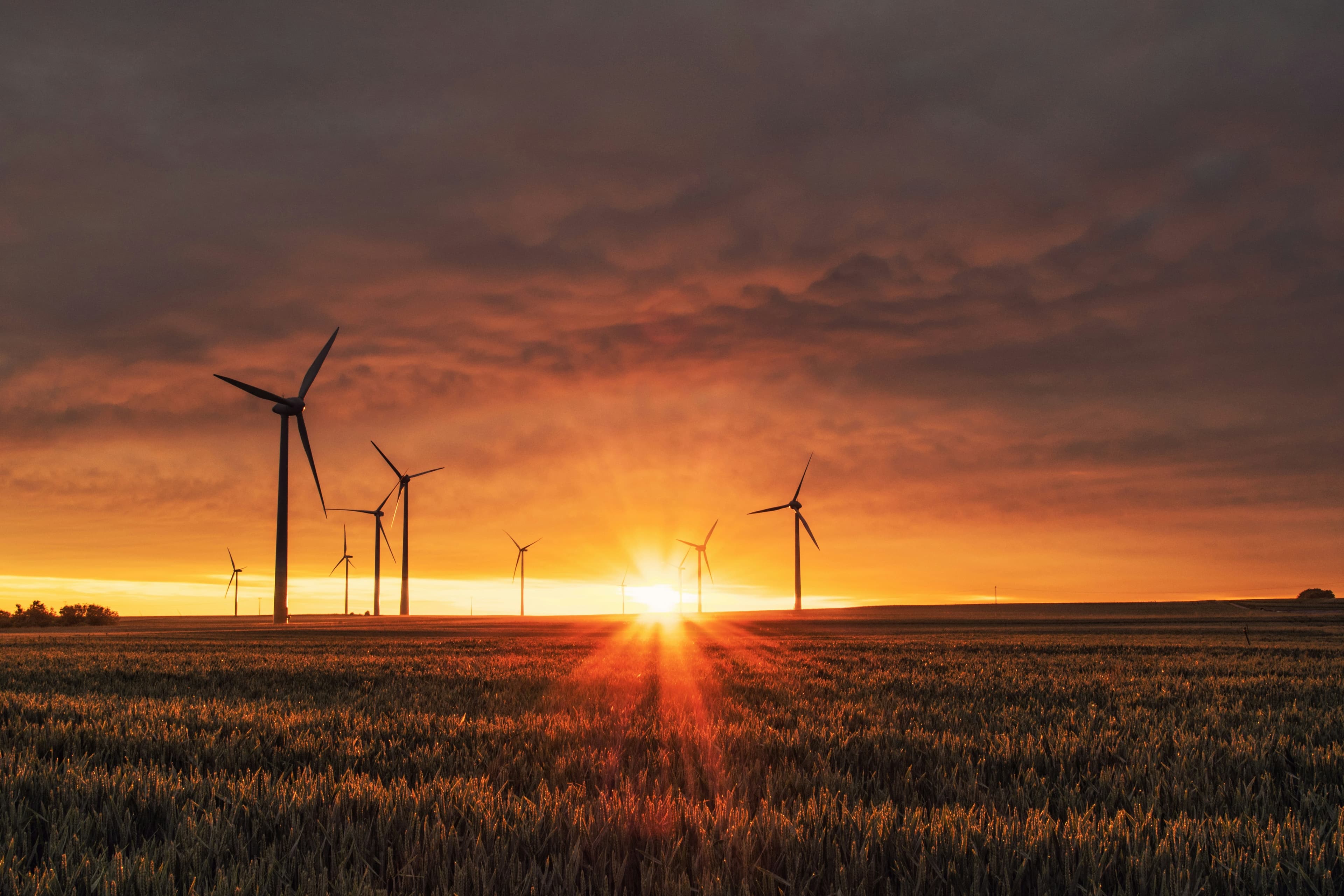
A solar-powered irrigation scheme lifting borehole water across a smallholder farming cluster in Kasana, replacing diesel pumps with a silent, fuel-free array that runs through the dry season on sunlight alone.
Kasana sits in a part of Luwero where the soil is willing but the water is not. For generations the farming cluster here has been hostage to a single rain-fed season: when the rains arrive on time and stay, the harvest is good; when they come late, stop early, or fail — which they increasingly do — the crops wither in the ground and a year’s work is lost. A handful of farmers had tried to bridge the gap with diesel pumps, but the economics were brutal. Fuel had to be bought in town and carried back, prices swung without warning, and the cost of running a pump through a dry spell often ate the very margin the extra water was meant to protect. The pumps were noisy, broke down often, and needed constant attention. Worse, the uncertainty rippled outward: families could not plan, could not reliably repay input loans, and could not invest in a second season they had no confidence would survive. Without a dependable, affordable way to move water when the sky would not provide it, the community was stuck farming at the mercy of the weather — producing far below the land’s real potential and carrying the constant risk of a failed season.
02 — Our solution
What we engineered
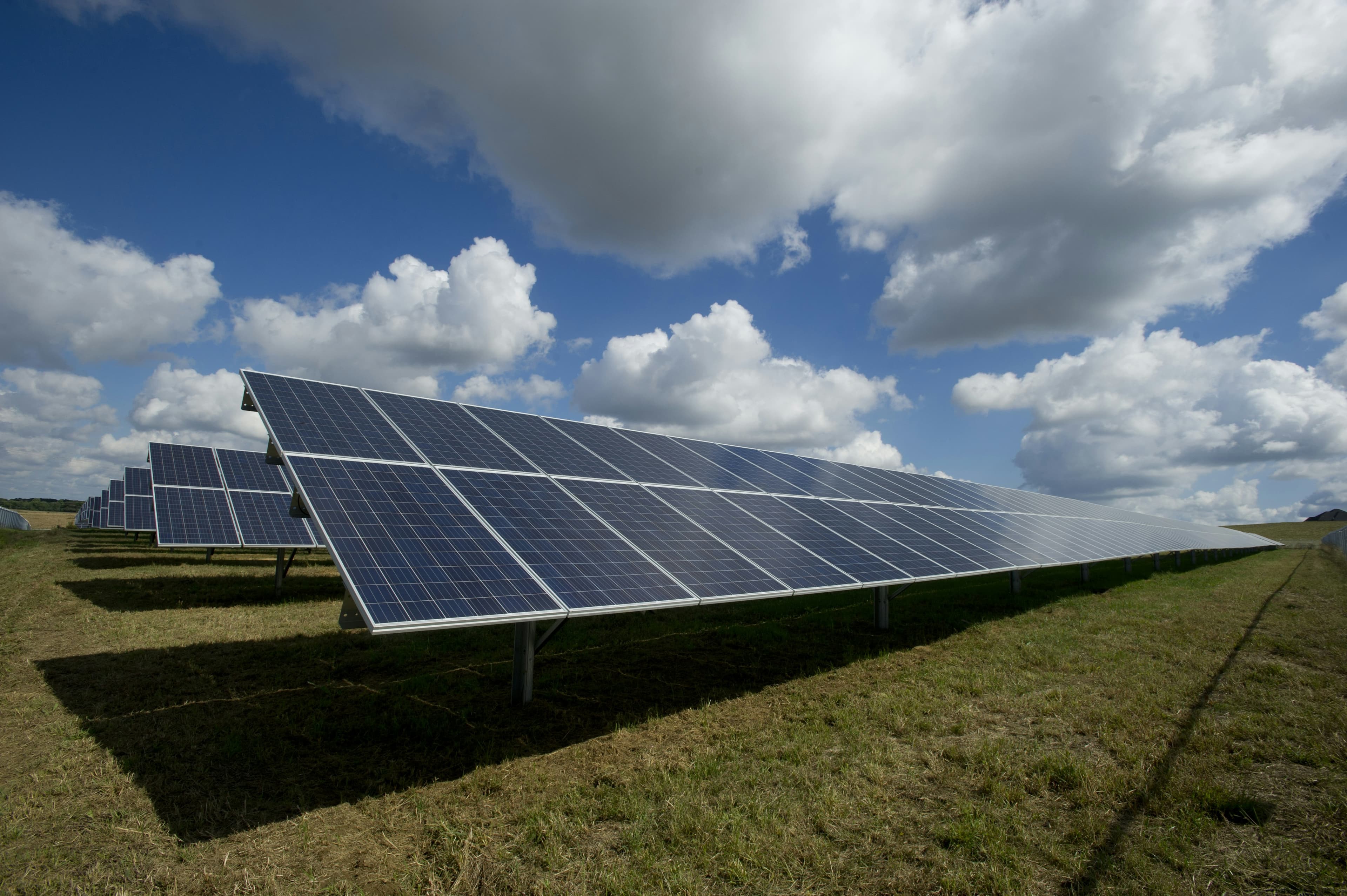
We approached Kasana as a water problem first and an energy problem second, because sizing the energy system correctly depended entirely on understanding the irrigation demand. Our engineers began with a hydrogeological survey of the existing boreholes — yield, depth, drawdown and recovery — alongside a field-by-field map of what was being grown and how much water each crop needed across the dry months. That gave us a daily volume target, which we translated into pumping energy and then into array size. The design that emerged was deliberately simple and rugged: a 30 kWp solar array driving four borehole pumps directly, with no battery bank to maintain or replace. Instead of storing electricity, the system stores water — pumping hard through the peak-sun hours to fill elevated tanks that then gravity-feed the fields around the clock, including at night and through cloudy spells. We specified a drip distribution network rather than open-channel flooding, cutting the volume of water each acre needed and stretching the array further. Crucially, we sized the array against the boreholes’ sustainable yield rather than an optimistic peak, so the system draws water at a rate the aquifer can genuinely replenish. The whole system was designed to be owned and operated by the community, with no fuel to buy and almost nothing to service — the opposite of the diesel trap it replaced, and built to keep working for two decades with minimal intervention.
On site
03 — Implementation
How we delivered it
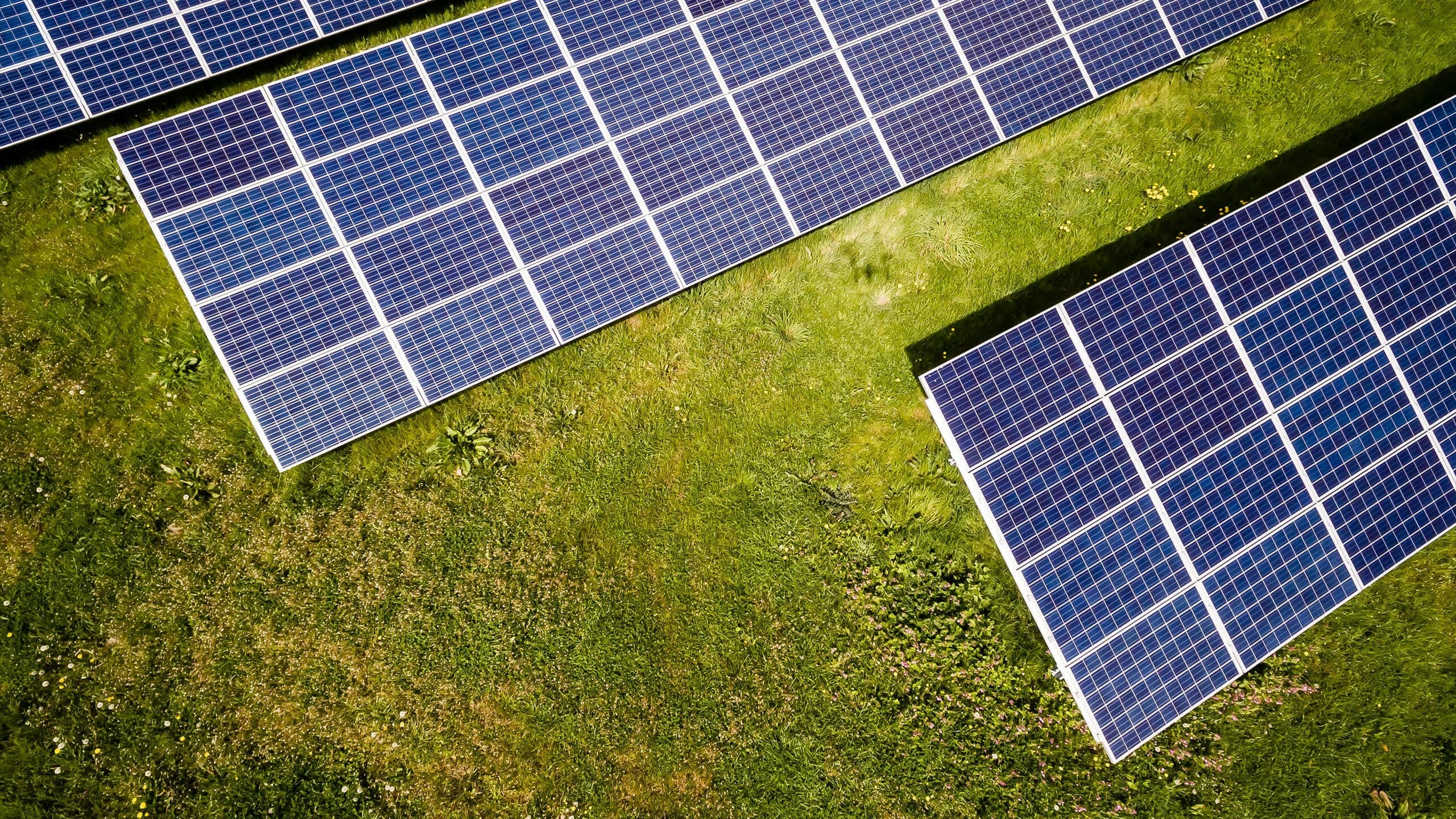
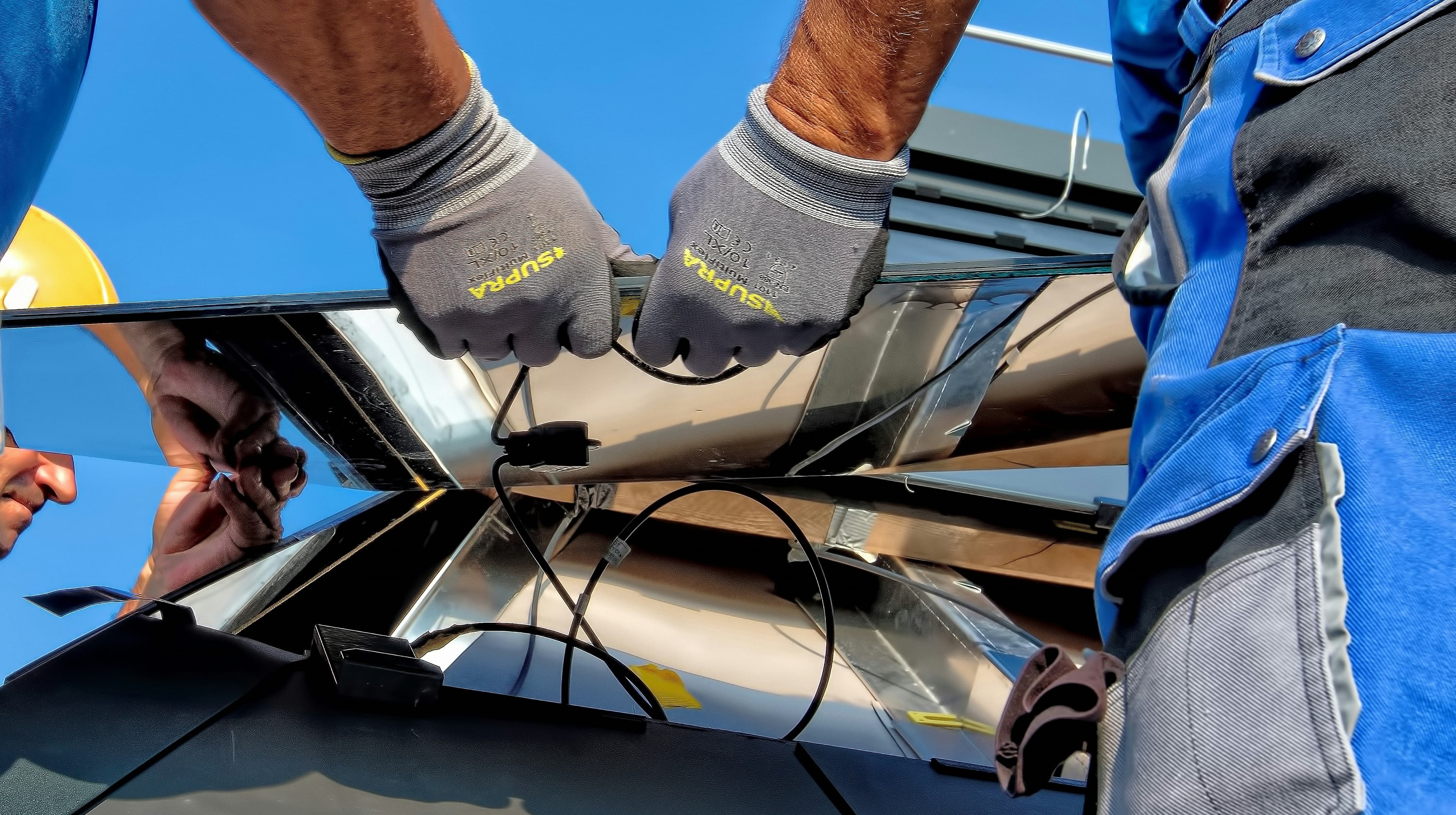
Implementation ran across the dry months so the scheme could be commissioned and proven before the community depended on it for a full season. We began with the civil works: rehabilitating the four boreholes, casting foundations for the elevated storage tanks, and trenching the distribution mains before the array ever arrived, so that the visible solar installation was the last and fastest phase rather than the bottleneck. The array was ground-mounted on a cleared, unshaded plot central to the four boreholes, engineered for local wind loading and fenced against livestock. We installed solar pump controllers matched to each borehole’s yield, sequencing the pumps so the array’s output was never wasted and no single borehole was over-drawn beyond its recovery rate. Because the community would run the system themselves, training was built into the schedule rather than tacked on at the end: local operators worked alongside our technicians through installation, learned the daily checks, and were shown how to isolate and troubleshoot each pump. We commissioned borehole by borehole, verifying flow against the design targets, then ran the complete scheme for a full fortnight — measuring tank fill rates against real irrigation draw — before formally handing it over. We also documented the whole system for the community, leaving them a simple operating guide in plain language so knowledge did not walk off site with our technicians.
Engineering detail
- Solar-direct pumping — no battery, minimal maintenance
- Elevated storage tanks for round-the-clock gravity irrigation
- Four boreholes sequenced to the array’s peak output
- Drip distribution to cut water loss in the dry season
04 — Results
What it delivers now
The change in Kasana has been measured in harvests, not just kilowatts. The scheme now irrigates roughly forty acres through the dry season, turning what had been a single precarious rain-fed harvest into two reliable ones a year. Diesel has been eliminated from the operation entirely: the recurring fuel bill that used to erode farmers’ margins is simply gone, and with it the noise, the breakdowns and the hours lost hauling jerrycans from town. Because the system pumps into storage rather than a battery, running costs are effectively zero and maintenance amounts to routine cleaning and occasional checks the community handles itself. The elevated tanks mean water is available on the farmers’ schedule, not the sun’s, so irrigation continues into the evening and through overcast days. Beyond the numbers, the scheme has changed how the community plans: with water no longer a gamble, farmers have begun investing in higher-value crops and a genuine second season, and input loans are repaid with far more confidence. What was a weather-dependent subsistence cluster now operates much closer to the land’s real productive potential. The knock-on effects reach beyond the fields: with predictable water, families can plan their planting, budget with confidence, and treat farming as a genuine livelihood rather than an annual gamble against the sky. Several households have reported being able to keep children in school through what used to be the lean months.
05 — Current status
Where it stands today
The Kasana scheme is fully commissioned, handed over, and in daily use by the community, now well into its second cropping season on solar power. Day-to-day operation sits entirely with the local operators we trained during installation, who handle the routine cleaning, pump checks and tank monitoring without needing us on site. We retain the scheme under a light-touch maintenance agreement: a scheduled service visit each season and remote support on call, plus a stock of genuine spares held for the pump controllers so any fault is a fast fix rather than a lost week. Performance is tracking against the original design — tank fill rates and irrigated area are both at target — and the boreholes are recovering well within their modelled limits, confirming the array was not over-sized against the water resource. Encouraged by the results, the community has asked us to assess an extension to bring more acreage and two additional boreholes under the same system, which we are currently surveying. Kasana has become a reference site we point other farming communities toward: proof that a well-designed solar irrigation scheme pays for itself in harvests and keeps paying for decades. We review the scheme’s performance data each season and share it openly, both to reassure the community and to refine the design of the next installation we build elsewhere.
Ready to lower your energy bill?
Get a free assessment and a costed proposal with a clear payback period.