
Residential · Solar PV + Storage
Kololo Family Residence
A family home that stopped noticing load-shedding.
- Location
- Kololo, Kampala
- Scale
- 6.6 kWp + 10 kWh
- Commissioned
- 2024
- Grid import avoided
- ~75%Grid import avoided
- Array capacity
- 6.6 kWpArray capacity
- Usable storage
- 10 kWhUsable storage
- Modelled payback
- 5.4 yrsModelled payback
Figures are representative of work delivered in this sector and are rounded. Full project documentation available on request.
01 — The brief
What we walked into
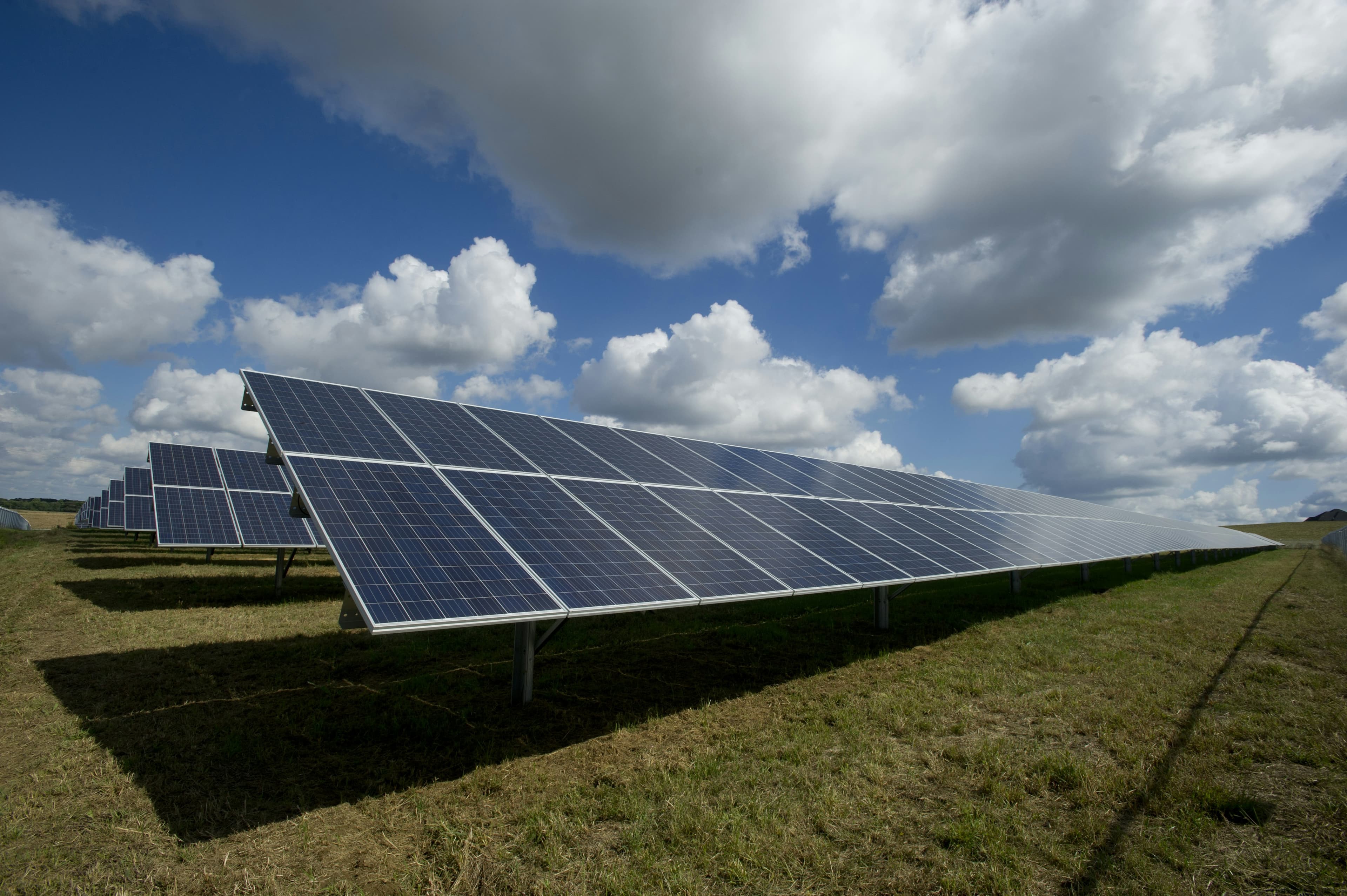
A rooftop array and lithium battery sized against twelve months of metered consumption, engineered so the household carries its own evening load and rides through outages without a generator. Grid import fell by roughly three quarters in the first full quarter after commissioning.
The household was running a diesel generator through most evenings and every outage — noisy, expensive, and increasingly unreliable as fuel prices moved. Their bills told them what they spent but nothing about what they spent it on. Before proposing hardware, we needed to know which loads actually mattered after dark, and whether the roof could carry an array that would cover them.
02 — The approach
What we engineered
We logged the incoming supply for two weeks and read twelve months of bills, which revealed the real shape of the problem: a modest daytime base load, then a sharp evening peak driven by lighting, refrigeration and water pumping. That profile argued for a battery-heavy design rather than a bigger array. We specified 6.6 kWp of monocrystalline modules on the north-facing pitch, a hybrid inverter, and a 10 kWh LFP battery sized to carry the evening peak plus a full night of critical load. A shading study moved four modules clear of a mango tree that would otherwise have cost more yield than a larger array would have gained.
Engineering detail
- Two-week interval logging before any hardware was specified
- Shading study relocated four modules clear of seasonal tree growth
- Battery sized to evening peak plus one night of critical load
- Roof penetrations sealed and flashed to outlast the array itself
- Daily yield comparison against the original design model
03 — The result
What it delivers now
Grid import fell by roughly three quarters across the first full quarter, and the generator has not run since commissioning. More to the point for the household, the transition through an outage is now invisible — the changeover happens inside the inverter and the lights do not flicker. Monitoring compares actual output against the modelled yield daily, so a shortfall would surface within days rather than at the next bill. Modelled payback sits at about five and a half years against current tariffs, and shortens every time the tariff rises.
More work
Other projects
Ready to lower your energy bill?
Get a free assessment and a costed proposal with a clear payback period.